Composition Techniques for Travel Photography

Composition is a vital component in taking a successful image and is one of the most important techniques to master for beginners and advanced photographers. When it comes to travel and street photography, you might be in less control of your surroundings compared to a portrait shoot or working in a studio where you have time to set up the scene.

Composition plays an important role in the storytelling of an image and how you want the subject of your image to stand out to the audience.

In this blog post, I’ll be going over a few composition techniques that can be used for travel photography: 

  • Rule of Thirds

  • Leading Lines

  • Frame within a Frame

  • Reflections

It’s worth noting that these techniques are only suggestions that can be useful if you’re feeling stuck. You can either apply the rules to your photos or just use them as a starting point and develop an idea from there. There’s no right way to frame a photo - it all depends on your vision and intention for each image.


Rule of Thirds

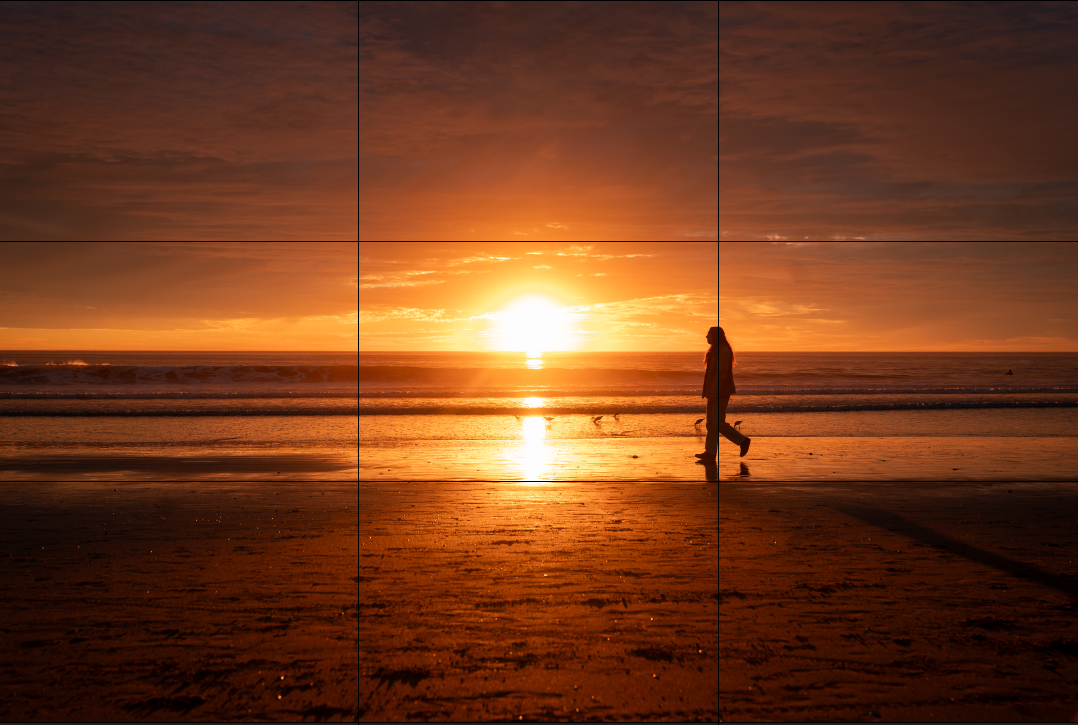
The rule of thirds is one of the most common techniques that I’ve heard when I started photography. The technique uses a 3x3 grid that creates 9 different squares across the image. You can position a subject along the intersections of one of the four points where the horizontal and vertical lines cross.

It can be useful if you naturally position your subject in the center of the frame and want to try something new. In the image below, the subject is placed on the right-hand side of the frame, rather than the center. The middle of the subject isn’t precisely over one of the intersecting lines.

 
Woman walking on the beach with lower thirds grid displayed

The rule of thirds is a composition technique that I don’t ever really think about when shooting. Sometimes it does happen naturally, but it’s not a technique I particularly seek out when shooting or editing.


Leading Lines

If I use leading lines in a photo, I’m much more intentional in framing the image in a certain way. This style of composition utilizes lines in a picture to usually lead into a certain subject. I find this technique especially useful in street photography by using lines like street lines, train tracks, etc.

You’ll want to be careful to not have the focus be too much on the actual lines themselves. 

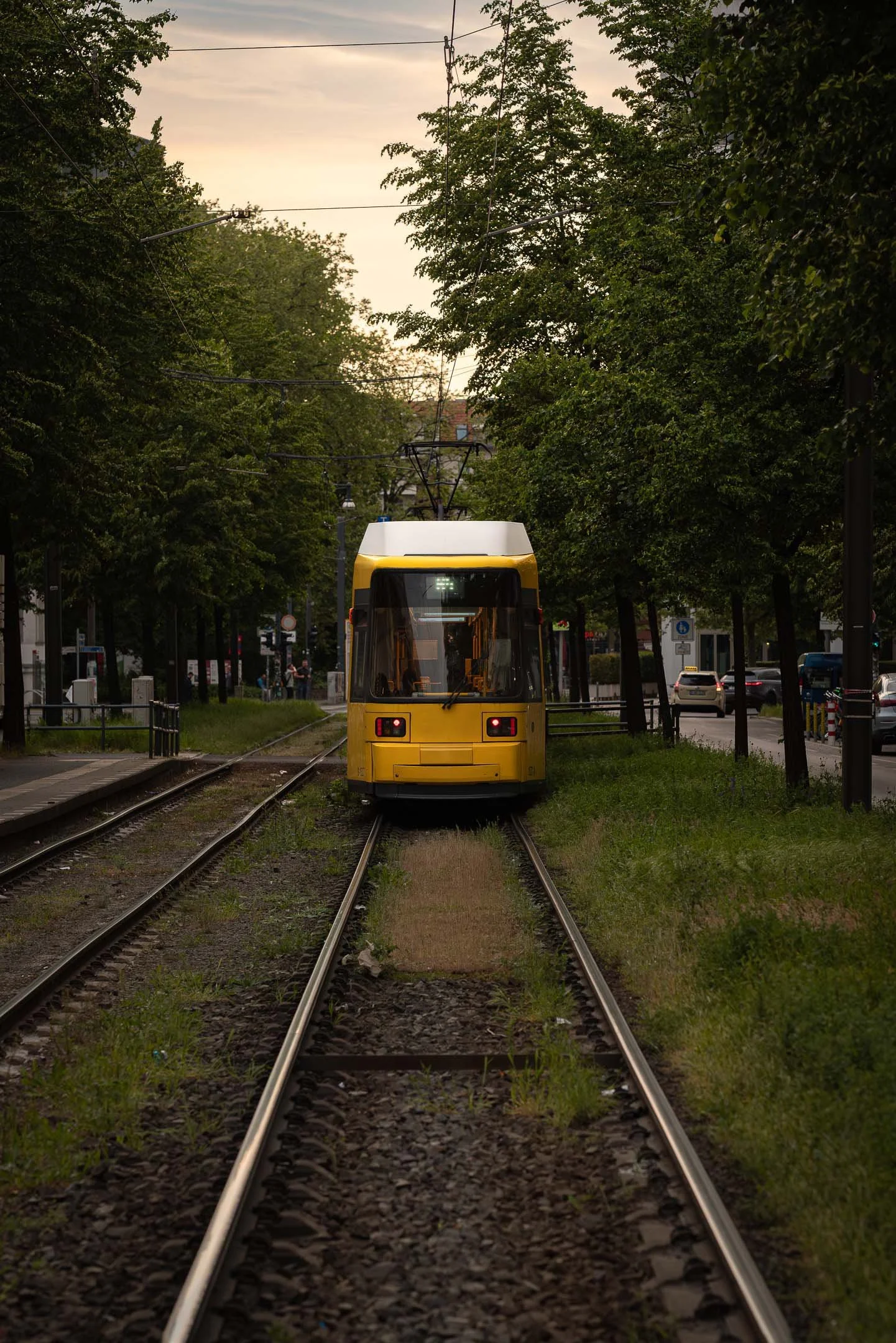
In the photo on the left, the street lines lead to the building, but they’re such a prominent part of the foreground that they’re the main subject of the focus, rather than the subject (the building) it leads to. In contrast, the photo on the right uses the train tracks to lead to the golden tram. The tram is clearly the subject of the photo.

Yellow street lines leading to a building in Downtown Los Angeles
Gold tram in Berlin with train tracks as leading lines
 

Frame within a Frame

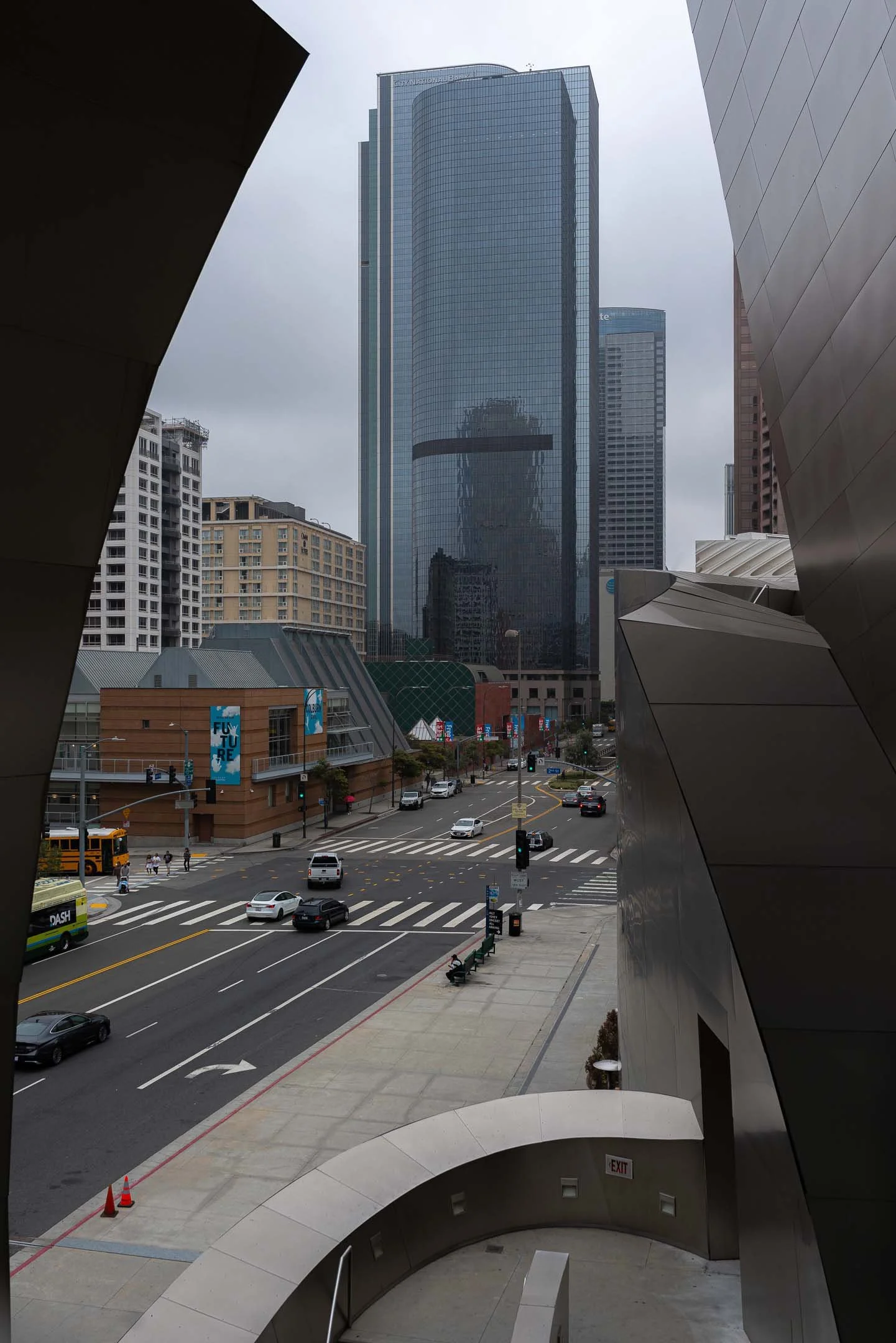
This composition technique involves using your surroundings to frame the subject of your photo. You can try experimenting with framing the subject straight in front of your camera or with a different angle.

I find that using a wide angle lens is pretty necessary in order to achieve this composition technique. The photos below were captured in Downtown Los Angeles with the Sigma 35mm f/1.4 DG DN ART prime lens.

Walt Disney Concert Hall view of high-rise buildings
Railing frames high-rise buildings in Downtown Los Angeles
 

Reflections

Since I’m based in Los Angeles, I often shoot at the beach and get plenty of reflection shots with the water. Reflections are something I don’t generally think of when I go to the beach for photography, but sometimes simple reflection shots will add a bit of intrigue to the photo. 

I enjoy photographing the Venice Beach Pier at different times of the day. The reflections can help your photo from looking too heavy in the background if you have nothing in the foreground.

Blue hour view of Venice Beach Pier in Los Angeles
 

Los Angeles Travel Photographer Brian Brown

Travel photography allows creatives to experiment in different environments and sometimes capture the same location from a new perspective. These composition techniques are just examples to consider when going out to take photos and try something new.

Brian Brown is a professional photographer with experience working with businesses and brands to produce high-quality photo content for marketing and advertising.

Feel free to browse Brian’s travel photography portfolio for more images.